
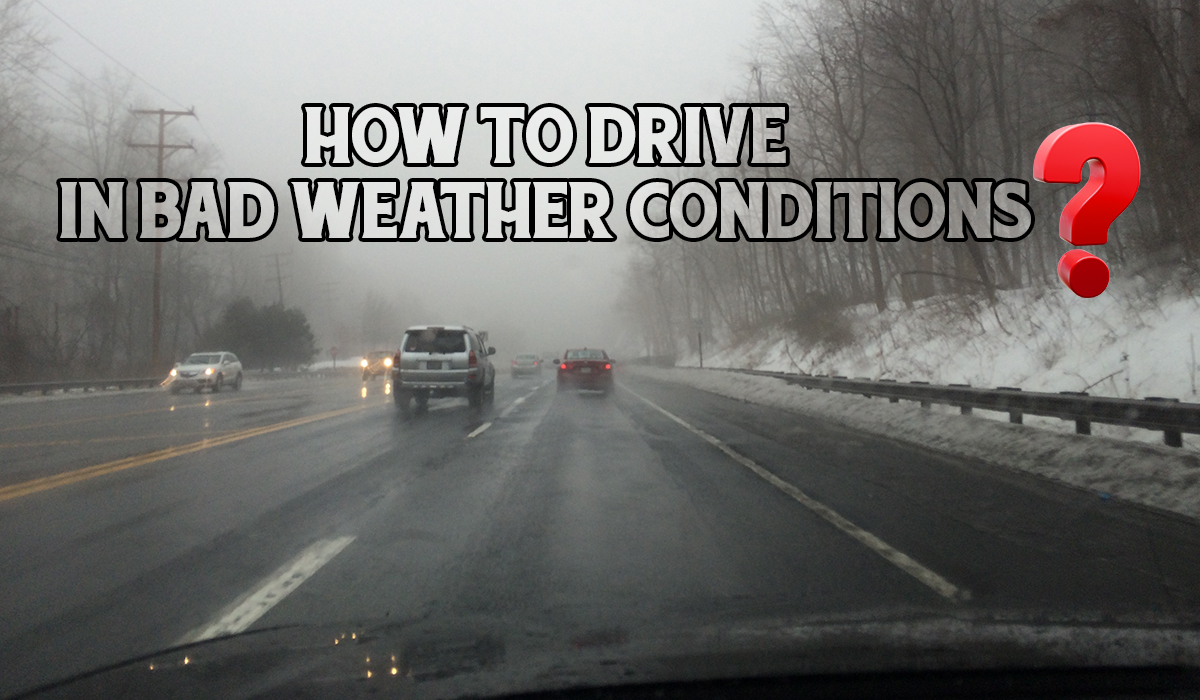
No one knows when bad weather conditions can unexpectedly strike you while driving. Such a situation can sneak up on you any time, and there is hardly anything one can do about it. However, those who want to make sure that a routine commute does not turn nasty due to bad weather conditions must enrol in the best Driving School in Oxford. The professional Driving Instructor in Oxford knows how to make the learner driver well-prepared to handle difficult weather conditions while driving.
Snow, fog, heavy rains and high winds minimise visibility on the road drastically. Moreover, road traction is also minimised, and the chances of accidents increase. Those who have just started out to drive a car or seasoned drivers might find it hard to handle the vehicle if the weather conditions are challenging. Professional instructors from top driving schools know how to ensure safety for the driver and for others on the road as well.
Important things to do before hitting the road- General preparation is a must
Let us have a look at some of the general preparations that are needed before hitting the road.
- Look at the weather forecast: Before one decides to head out to a destination, it is important to check the weather forecast. One must postpone the trip if there is a forecast for severe weather.
- Inspection of the car: It is important to check whether the car is in the best condition before heading out for a trip in bad weather.
- Tires: It is vital to check for the tread path and proper inflation.
- Lights: Check whether the brake lights, headlights and turn signals are properly functioning.
- Wipers: If the wiper blades are worn out, replace them immediately.
- Battery: The car battery is weakened by cold weather. It is important to make sure that the batteries are charged and that they are clean.
- Fluids: It is important to check the levels of coolant, oil and brake fluids. Moreover, it is vital to top off the washer fluids.
Essentials to carry in the emergency kit
It is important to carry the emergency kit always. It is extremely vital to carry the emergency kit during winter. Let us have a look at the essentials to carry in the emergency kit.
- Warm clothes
- Blankets
- Flash lights
- Extra batteries
- Snow brush
- Ice scarpers
- Water
- Non-perishable snacks
- First aid kit
- Road flares or reflective triangles
- Charger for a mobile phone
Things to do while driving on flooded roads or during heavy rain
Rain is a common driving hazard which many drivers underestimate.
Time to slow down
The traction is reduced drastically on slow roads. The speed must be dropped by at least 5 to 10 miles per hour, and the driver must leave more space between the vehicles.
Activate headlights
When there is heavy rain, it is important to turn on the headlights. Activating the headlights is legal when there is a heavy downpour. It helps the driver to see and also be seen at the same time.
Steer clear of standing water.
If there are flooded areas or deep puddles on the road, it is advised not to drive through them. The engine can get stalled if the water is as much as 6 inches. Moreover, the car might float if the water is about 12 inches above the ground level.
Handle hydroplaning deftly
If the tire loses contact with the road, hydroplaning can happen. This can make the vehicle ride on a layer of water. If such things happen, it is important to avoid braking suddenly. Moreover, the driver must ease off the accelerator and gently steer in the direction where one wants to move the car.
Important things to remember while driving in ice and snow
Snow and ice can make the driving conditions extremely difficult. This can reduce the visibility, and there is minimal traction. Let us have a look at some important things to remember while driving in ice and snow.
Slow and gentle driving is needed
Sudden movements must be avoided by the driver. If they need to apply brakes and accelerate, they must turn smoothly and slowly as well.
Leave more space between vehicles
If there is snow or ice on the roads, it is important to extend the gap between the cars or increase the following distance. This can help in avoiding accidents and avert the dangers of driving in bad weather conditions.
Apply low gears on a steep surface
As the car needs to go down or up hills, one must maintain proper control of the vehicle. Moreover, the driver must also avoid spinning the tires to avoid accidents.
Avoid using cruise control
On slick roads, it is quite dangerous to apply cruise control. Unexpected acceleration of the vehicle can happen if the driver loses grip.
Handle skid deftly
The driver must use oversteer or rear-wheel skid for steering seamlessly into the skid. The understeer or the front wheel skid is used to ease off the gas. Moreover, it also helps in steering straight till the time traction returns.
Top things to do while driving in fog
As the visibility is drastically reduced by the fog, it becomes extremely difficult to see the road signs and other vehicles. Therefore, certain things must be followed while driving in fog. Let us have a look at those things that must be followed while driving in fog.
Use fog lights or low-beam lights
The visibility is minimised as the high beams of the vehicle get reflected by the fog. This minimises the visibility as the weather conditions are pretty bad because of the fog. Drivers are advised to use fog lights or low-beam headlights in such bad weather conditions.
Add more distance from the car ahead
It is important to drive at a slower speed and add more distance from the car ahead. This can help in avoiding accidents during bad weather conditions.
Use the edge of the road like a guide
When the visibility is poor during bad weather conditions, one must follow the edge of the road and the painted road lines, as it helps in guiding them while driving.
Don’t stop on the road
While driving, one must not stop on the road. However, even if someone wants to stop, they must pull out of the road. Moreover, they must turn on the hazard lights as well.
How to drive in high winds?-Find out important facts
It is hard to maintain control while high winds are blowing. This is especially true for large vehicles like SUVs, vans or trucks.
Hold the steering wheel firmly
The vehicle is often pushed by strong gusts of wind. The steering wheel must be gripped firmly to avoid all kinds of dangers.
Zero in on scanning the roads for hazards
One must scan for road hazards and watch for debris on the road. The driver must be extra cautious of the fallen branches and other objects that flow into the road, making driving extremely difficult during bad weather conditions.
Provide extra space for larger cars
With gusts of wind, buses and trucks are affected badly by it during poor weather conditions. One must avoid driving beside them for too long.
Things to do while driving at night in bad weather conditions
As the visibility gets minimised at night, due to bad weather, it becomes extremely dangerous to drive.
Proper lighting holds the key
Low beams are used by experts in heavy rain or fog. The headlights must be kept clean, and one must properly aim them.
Minimize glare
The windshield must be cleaned regularly, and one must not look directly at the headlights of other cars.
Be extra careful
While driving at night, the reaction time and depth perception are reduced considerably. Therefore, it is important to stay alert and drive slowly.
How to use smart technology?- Tips to follow in bad weather conditions
The state-of-the-art features in modern cars help while driving in bad weather conditions. Let us have a look at some of that smart technology in modern vehicles and tips to follow while using them.
Use an Anti-lock braking system or ABS
One can steer while braking using an Anti-lock braking system. However, one must avoid pumping the brakes and should hold them firmly while pressing them.
Apply Electronic Stability Control or ESB
The driver can easily avoid skids by applying Electronic Stability Control, as it adjusts the brake pressure. Applying Electronic Stability Control or ESB helps a great deal if the conditions are slippery.
Use Traction Control and All-Wheel Drive
The modern features enhance traction, but it does not make anyone invincible on the roads. Driving must be adjusted according to the weather conditions to avoid hazards on the road.
When is it ideal to avoid driving?
Sometimes it is better to be safe than sorry. If the weather is too bad, one must make sure that they do not drive at all.
Let us have a look at those conditions when one must not drive at all.
- If the visibility is almost zero because of snow, fog or rain.
- If the roads are closed and there are warnings issued for poor weather conditions.
- If someone is feeling unwell, tired, or has been distracted emotionally.
- The vehicle is not properly equipped to drive in bad weather conditions.
However, if someone has to drive in bad weather conditions, one must inform someone about the route. Moreover, informing about the expected arrival time is also necessary.
How to apply defensive driving techniques in bad weather conditions?
In bad weather conditions, it is important to remain observant and be cautious. Moreover, applying defensive driving techniques helps a great deal to avoid dangers.
Always look ahead
It is important to look ahead, and the entire road must be scanned properly to check whether there are any changes in the conditions.
Steer clear of distractions
Avoid using the phone while driving and make sure there are no other distractions.
Plan safer alternatives
If the usual route is snowed or flooded, one must plan alternate routes and check out safer alternatives to ensure seamless transit.
Keep a safe distance from other vehicles
If the roads are wet or icy, it is important to keep a safe distance, and the driver must not tailgate.
Tips to follow while driving after the storm
Even if the weather has held up, it is important to be cautious while driving.
Check the black ice
These are found in plenty in shaded areas and on bridges once the snow melts.
Avoid potholes
Too much rain, coupled with snowfall, can damage the roads. It is important to drive slowly and avoid suspension or tire damage.
Steer clear of debris
It is important to steer clear of the fallen trees and the power lines lying dangerously on the road. Moreover, it is crucial to avoid debris and other leftovers of flooding.
Final Lines
Do you think you are prepared enough to drive in bad weather conditions? If you feel that you lack caution and awareness while driving in bad weather conditions, it is time to catch up with us at Drive Professional Driving School. We are a top Driving School in Oxford that has the best Driving Instructor in Oxford. Our professional driving instructors know how to handle the challenges thrown at you by bad weather conditions deftly.
If you are looking to drive confidently in bad weather conditions, catch up with us ASAP.
Feel free to schedule an appointment whenever you see fit.
No Responses